ASHRAE Oil Fouling in HVAC Systems
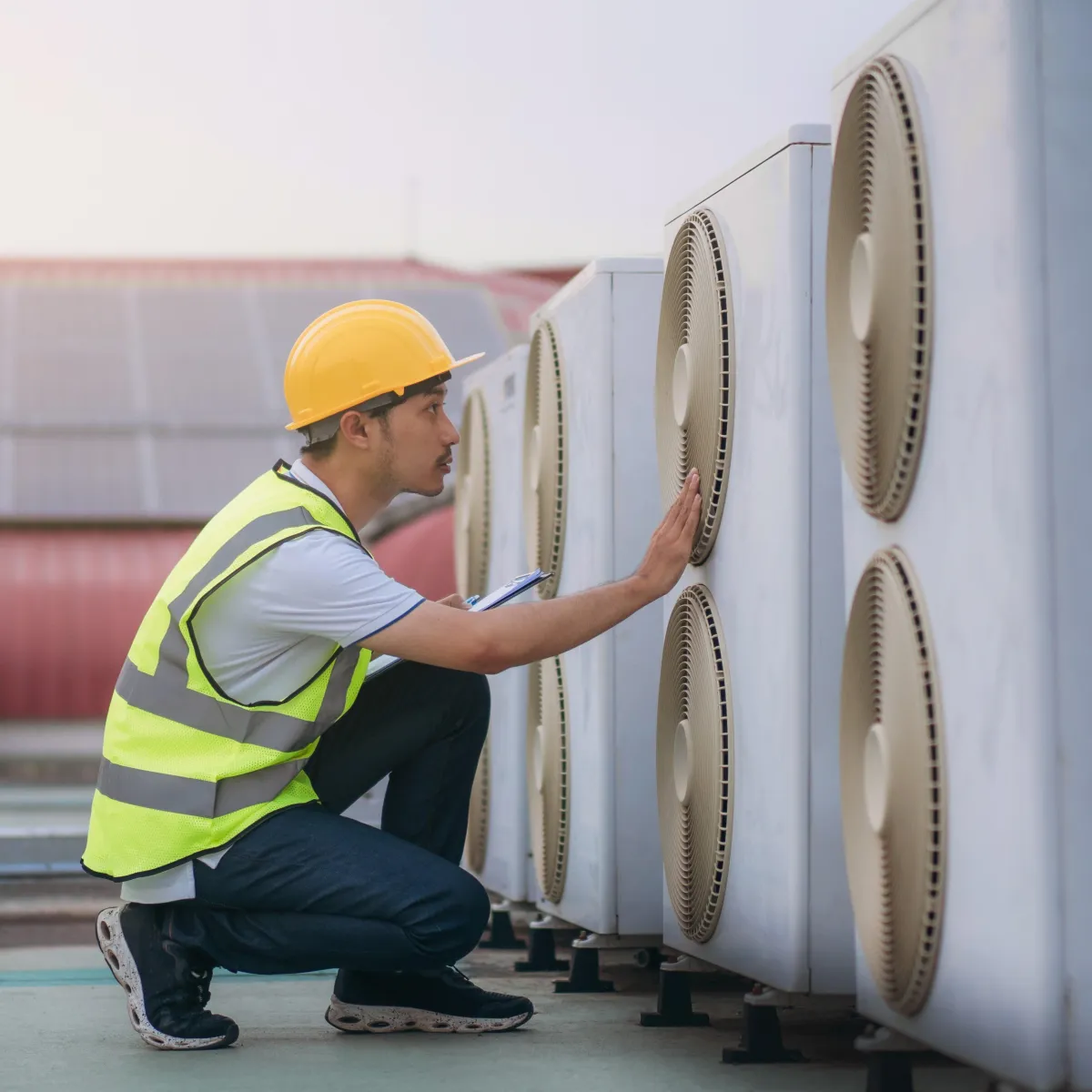
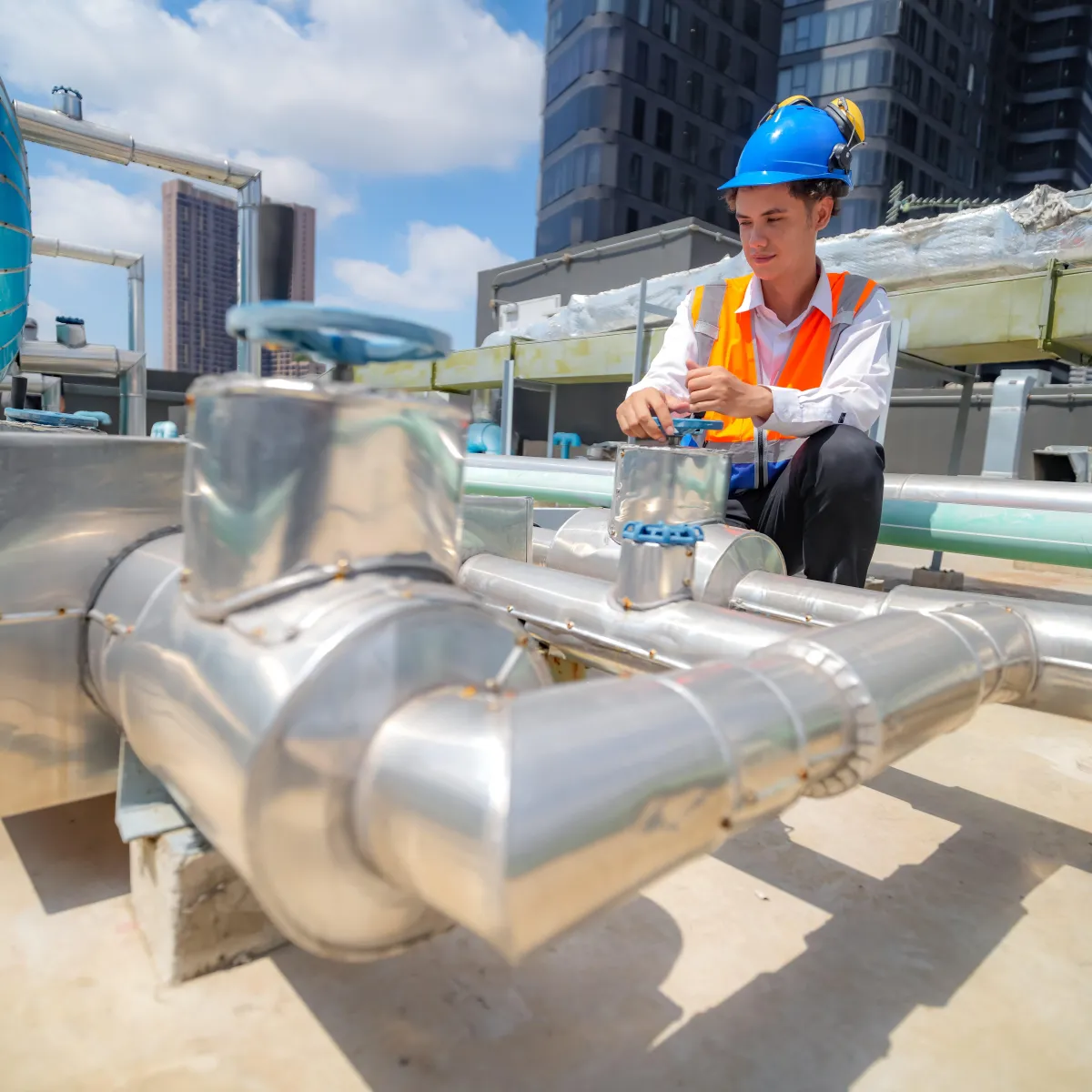
ASHRAE (American Society of Heating, Refrigerating, and Air-Conditioning Engineers) has long documented the effects of oil fouling on HVAC system performance. Oil fouling forms an insulating boundary layer on refrigerant-side heat transfer surfaces, reducing system capacity, increasing energy consumption, and degrading overall efficiency. This internal degradation mechanism affects residential, commercial, and industrial HVAC systems worldwide.
ASHRAE
Globally Recognized
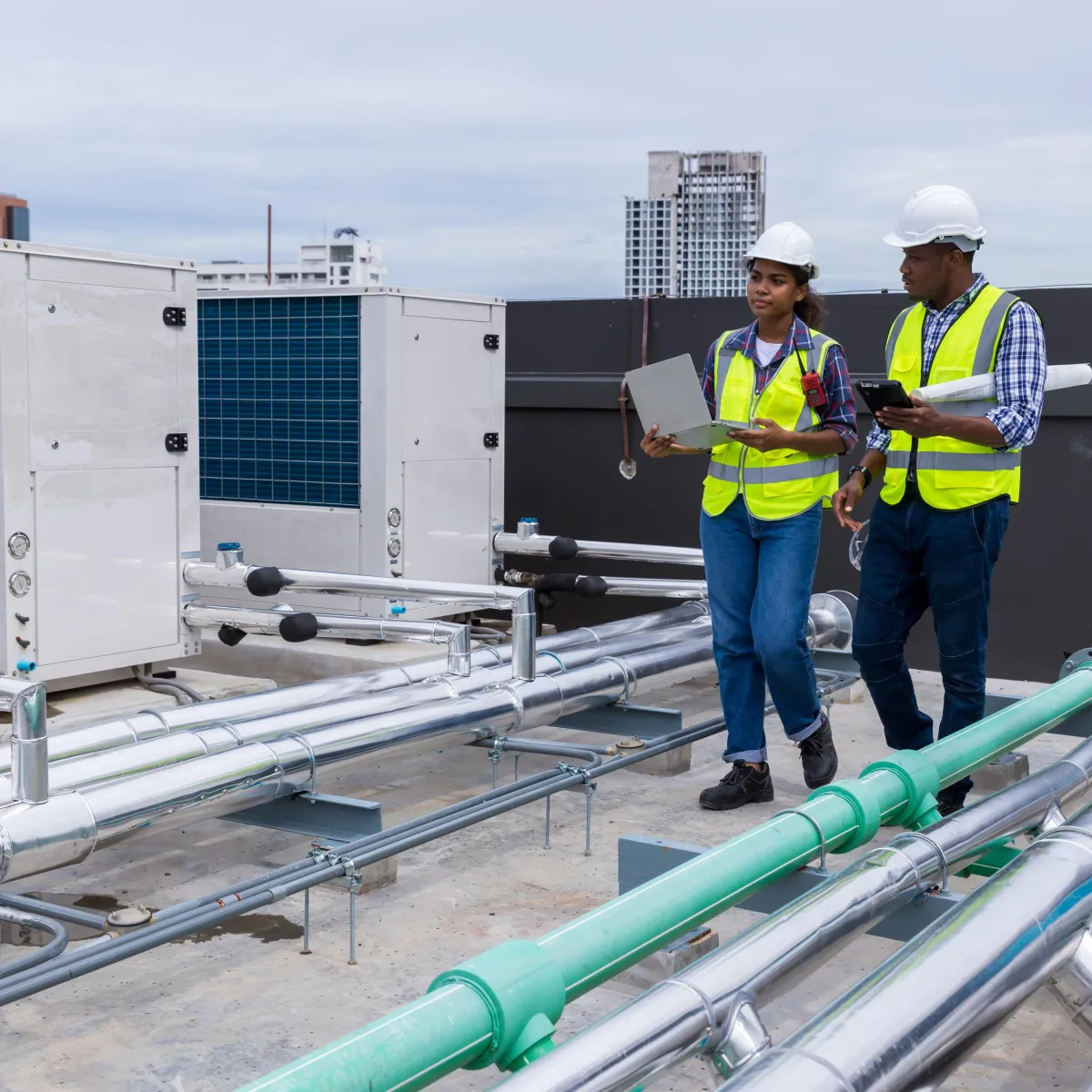
The American Society of Heating, Refrigerating and Air-Conditioning Engineers is an American professional association seeking to advance heating, ventilation, air conditioning and refrigeration systems design and construction. ASHRAE has over 50,000 members in more than 130 countries worldwide.

Oil fouling in HVAC systems is the accumulation of compressor lubricating oil on the internal surfaces of heat exchangers (evaporator/condenser coils), acting as an insulator that restricts heat transfer, reduces efficiency by up to 30%, and increases energy costs. It occurs as oil migrates from the compressor, mixing with refrigerant and bonding to pipe walls, frequently leading to increased frictional resistance and premature equipment failure.
Key Aspects of Oil Fouling
Definition & Mechanism: Oil fouling occurs when lubricant from the compressor escapes and deposits on the internal surfaces of the refrigerant piping, specifically on the heat exchange surfaces.
Impact on Performance: It acts as an insulator, reducing heat transfer efficiency by approximately 7% in the first year and up to 30% over the life of the system.
Consequences: It leads to higher energy consumption, increased operational costs, reduced cooling capacity, and increased wear and tear on components.
Causes: The natural migration of oil from the compressor during the refrigerant cycle causes this buildup, particularly when using synthetic lubricants that may become less soluble.
Usage Examples/Scenarios
Data Centers: Oil fouling significantly impacts cooling efficiency in data centers, leading to higher Power Usage Effectiveness (PUE).
Commercial HVAC: Large HVAC systems frequently encounter this issue, reducing overall cooling efficiency.
Residential AC: It is a common problem affecting the efficiency and lifespan of residential air conditioning units.
Refrigeration Systems: It is a common challenge in industrial and commercial refrigeration units, causing reduced capacity.
Synonyms and Related Terms
Internal Coil Contamination
Oil Accumulation
Oil Deposits/Residue
Lubricant Buildup
Prevention and Solutions
Maintenance: Regular maintenance to monitor and manage the oil levels in the compressor.
Additives/Treatments: Use of specialized, technologically advanced treatments (e.g., PTFE-based solutions like CryogenX4 or ACFLush) that remove deposits and prevent new buildup, as shown here:
Mechanical Devices: Installation of oil separators to prevent migration.
How Oil Fouling Reduces HVAC Heat Transfer
Impact on Performance
Efficiency Degradation: Oil fouling can reduce system efficiency by 20% to 30%, with studies showing potential performance drops of up to 30% or higher over time.
Capacity Reduction: The accumulation of oil restricts refrigerant flow and reduces heat transfer, forcing the system to work harder, which causes a 15–30% drop in the Coefficient of Performance (COP).
Compounding Issues: Beyond reduced heat transfer, oil fouling can lead to restricted capillary tubes, sticky expansion valves, and increased moisture buildup, which triggers acidification and corrosion.
Long-Term Impact: In systems older than 20 years, performance degradation due to oil buildup can exceed 40%.
Causes and Mechanisms
Oil Migration: 0.5% to 8% of the compressor's lubricating oil typically circulates with the refrigerant.
Adhesion: While most oil returns to the compressor, heavier, less soluble fractions can adhere to the inner walls of the evaporator and condenser pipes, creating a boundary layer that increases resistance to heat transfer.
Equilibrium: This buildup continues until a balance is reached between the flow force of the refrigerant and the adhesion force of the oil, at which point maximum efficiency loss is achieved.
Management and Solutions
Limitations of Mechanical Solutions: While manufacturers use oil separators, traps, and suction risers to manage oil, ASHRAE indicates these are not 100% effective at preventing long-term boundary layer fouling.
Maintenance: Regular maintenance is necessary, but traditional methods often fail to reach the internal surfaces of complex heat exchangers.
Treatment Agents: Some technologies, such as CryoGenX4 or ACFlush, are designed to break the intermolecular forces between oil and tube walls to remove the buildup.
Design Allowance: Industry standards often involve over-sizing heat exchangers by 20%–40% to account for anticipated fouling.
ASHRAE Research on HVAC Performance Degradation

964
Research Projects

100+
Active Projects

600+
Final Reports

100+
Standard Guidlines
ASHRAE Standard 180 is widely recognized as the industry benchmark for HVAC inspection and maintenance.
The standard specifically addresses restoring heat-exchange surfaces when fouling is present.
This means the concept of restoring system performance is not a new idea—it aligns with established HVAC maintenance practices.
How to find it fast: Open the PDF and search for the word "Restore" or "Fouling." You will see it listed as a required annual task for almost every major piece of heating and cooling equipment.
Air Handlers (Table 5-2): See Task 'p' on Page 5. It requires an annual check for fouling on heat exchange surfaces and instructs to "Restore if possible".
Condensing Units (Table 5-8): See Task 'g' on Page 11. Specifically lists "Check for fouling... Restore as needed to ensure proper operation" as an annual requirement.


Our Services
Internal Coil Performance Restoration
Same-Call Revenue Integration
Carbon reduction impact
ROI & Payback Analysis
Contractor Training & Implementation Support